A Designer's Look at the Retro "Thank You Mom" Embroidery Design
When a new embroidery design file lands in my library, I don’t just glance at the preview. I imagine it stitched out on fabric, held in a customer’s hands, hanging in a small shop. That’s the test. So when I opened the Retro SVG Design,thank You Mom bundle, my mind immediately went to a simple, heartfelt project: a custom embroidered tote bag for a Mother’s Day gift. The files—SVG, PNG, EPS, DXF—are the practical starting point, but the real review happens when you picture the needle hitting the cloth.
The First Impression: Warm Nostalgia Meets Clean Lines
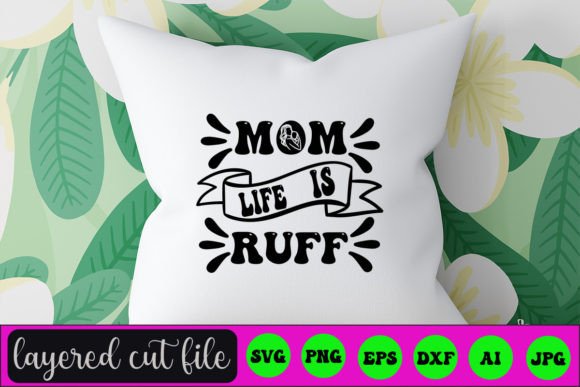
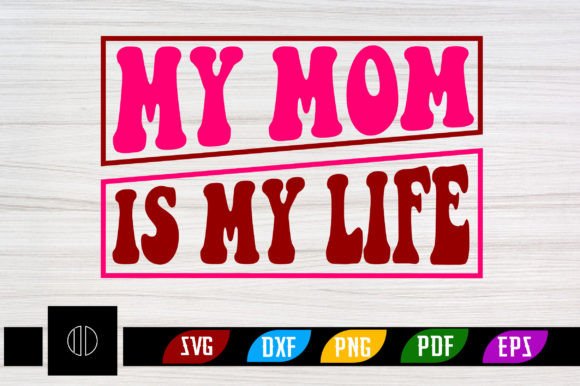
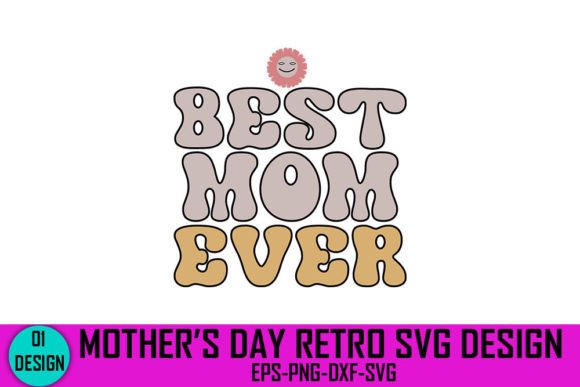
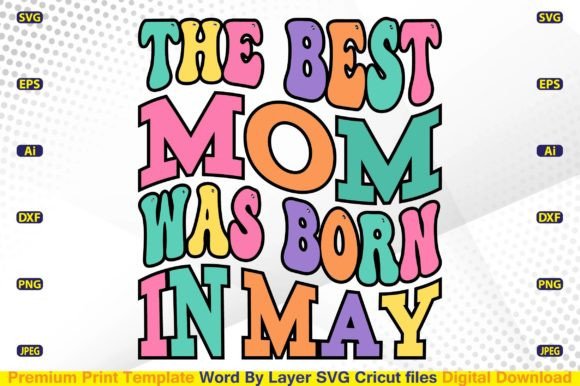
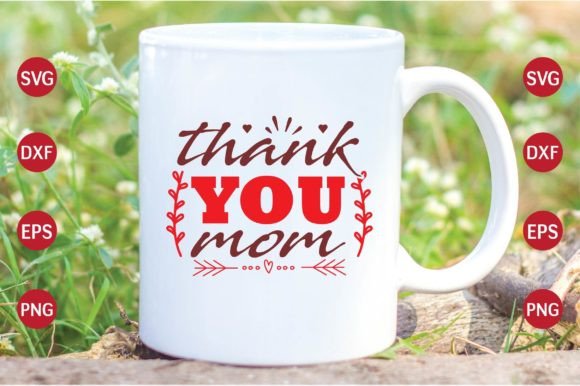
The design’s retro feel isn’t overly kitschy; it’s a gentle nod to classic sentimentality. The layout typically suggests a central, stylized "Thank You Mom" text, often with supporting decorative elements that are open and forgiving for stitching. This isn’t a design crammed with microscopic detail. It has a visual personality that feels warm, approachable, and perfect for a personalized gift. My first thought was that it belongs on something tactile and cherished—a kitchen apron, a pillow cover for a mom’s reading nook, or a well-loved sweatshirt. It creates a mood of gratitude, not flashy celebration.
Where This Design Shines in Real Projects
In practical embroidery situations, the strength of a design like this is its versatility and emotional resonance. I’ve visualized it on several products, and each time it felt right.
For custom apparel, like a soft cotton t-shirt or a cozy fleece sweatshirt, the design offers enough visual weight to stand out without overwhelming the garment. It would stitch up cleanly on a baby’s romper or a set of nursery decor blankets, adding that handmade touch that feels special. As an embroidered patch, it could be applied to a cap or a bag, becoming a durable token. For small business merchandise, this is a solid choice. An Etsy seller offering personalized tea towels or boutique apron sets could use this design to create a consistent, giftable product line. The theme is universally understood, which aids in buyer engagement.
It also performs well in digital product previews and printable mockups for those selling the finished items online. The clean lines from the vector files mean the design looks sharp in listings, building customer trust in the professionalism of the final embroidered product.
Navigating the Stitching: Practical Considerations
While the design appears straightforward, embroidery always demands a practical eye. Here’s where I’d proceed cautiously and offer some designer notes.
On small hoop sizes, the text and any decorative accents need to be checked. If the lettering is too tiny, satin stitches might become dense and challenging. Always test on scrap fabric first, using the same material and stabilizer you plan for the final project. This is crucial for textured fabrics like canvas totes or stretchy fabrics like jersey knits—you’ll see how the fill stitches settle.
Dark fabric requires thoughtful thread color contrast. A retro design often leans on lighter, pastel palettes; you might need to adjust your thread choices for a dark denim or black cap to maintain clarity. On curved surfaces like caps, the design’s layout should be balanced so it doesn’t distort over the seam.
Products that need frequent washing, like kitchen towels or baby clothes, benefit from a design that isn’t overly dense. A moderate stitch density, which this design seems to encourage, helps longevity. I’d advise checking the actual stitch count and density in your embroidery software once the file is opened, as these details are essential for durability.
Boosting Your Project's Value and Appeal
Using a design like the Retro SVG Design,thank You Mom isn’t just about stitching a pattern. It’s about crafting an experience. The visual appeal it brings to a handmade product is direct and emotional, which increases its perceived value. A well-embroidered tote bag with this message feels more thoughtful than a generic store-bought one.
For creative entrepreneurs, this consistency in theme can aid brand consistency if you specialize in heartfelt, family-oriented gifts. The giftability is high. It’s a design people recognize and connect with instantly, which is a powerful tool for small shops at craft fairs or during holiday seasons.
From a professional standpoint, the provided file formats (SVG, PNG, EPS, DXF) are a good foundation, indicating suitability for various machines and software. This flexibility is key for commercial embroidery projects where you might need to adjust scale or integrate the design into other graphics. However, a crucial final step is always to confirm licensing before selling finished items or using the design in digital products for resale. The description states it’s perfect for a multitude of creative projects, but you must verify the terms for commercial use.
Final Designer Notes Before You Hoop the Fabric
My process with any new embroidery file involves a few final checks. For this retro design, I’d recommend comparing how it looks in both light and dark fabric backgrounds using your software’s mockup tools. Inspect any small details in the decorative elements to ensure they won’t become lost or muddy when stitched.
Plan your thread colors to enhance the retro mood—soft creams, muted roses, gentle blues. And remember, the true test of a design’s quality is on the final product. Does it stitch cleanly? Does it make the recipient smile? Does it hold up on the product it’s meant for? For a warm, grateful message like "Thank You Mom," this design has the foundational qualities to make that happen, provided you apply the practical embroidery knowledge that turns a good file into a great finished piece.