A Practical Review of the Serious Mom Hustle Design
When a design like Serious Mom Hustle Retro Design lands in my library, my first thought isn't just about the file itself. It’s about the finished product. I picture it stitched out, on a real fabric, held by a real customer. Let’s walk through that thought process, from a designer’s perspective.
The Immediate Mood & Where It Naturally Belongs
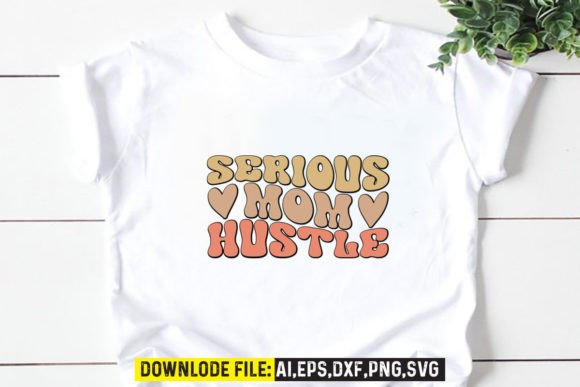
The first impression here is confident and warmly nostalgic. The retro styling isn’t just a font choice; it creates a mood of strength with a smile. This isn’t a harsh, modern statement—it’s a declaration with personality. That visual character tells me instantly where this embroidery design shines. It feels perfect for a custom apparel item meant as a personal badge of honor or a heartfelt gift. Think of a cozy, washed sweatshirt or a sturdy canvas tote bag. It belongs on products that are used, loved, and seen daily.
I can easily imagine it on a baby item like a blanket for a new mom, or a pillow cover in a boutique home goods shop. The “hustle” theme has universal recognition, but the retro softness makes it approachable. For an Etsy seller or craft business, this is a design that speaks directly to a community—it’s not just a graphic; it’s a shared sentiment.
Real-Life Embroidery Scenario: The Boutique Tote Bag
Picture this: a client requests a unique gift for her friend launching a small business. She wants a durable, embroidered tote bag. We choose a natural cotton canvas. The Serious Mom Hustle Retro Design gets hooped. This is where the practical evaluation begins. The statement is excellent, as the description notes, but how will it translate into stitches?
The layout likely relies on bold outlines and fills. On a textured fabric like canvas, a good fill stitch will hold up, but stitch density is key. Too dense on a bag that will be folded and used hard? It could feel stiff. Too light? It might not pop. This is why testing on scrap fabric first is non-negotiable. I’d stitch a sample on a similar canvas scrap to see how the satin stitches or running stitches behave, checking the clarity of the lettering against the fabric’s natural texture.
Performance Across Products & Projects
This design’s versatility, mentioned for shirts and mugs, extends well into embroidery projects. For sweatshirt embroidery, the retro vibe pairs wonderfully with soft fleece. On baby clothes, scaled appropriately, it could be a charming, bold statement on a knit jersey. As an embroidered patch, it would have high visual appeal for a cap or backpack.
However, its application needs thoughtful matching. On thin or stretchy fabric like a fine t-shirt, the design’s potential detail level requires careful stabilizer choice to prevent puckering. On dark fabric, thread color contrast becomes paramount—a bright, creamy thread for that retro feel would be ideal. For curved surfaces like caps, the design’s layout must be checked for how it fits in a smaller hoop size; the lettering needs to remain clear even when condensed.
For commercial embroidery or producing small shop merchandise, this design adds value through its relatable message. It boosts giftability and buyer engagement because it feels personal. In a handmade product line, it can contribute to brand consistency if your shop celebrates hard work and heartfelt humor.
Where to Use With Extra Care
Some applications demand a designer’s pause. If considering very small hoop sizes for delicate items, inspect the design’s tiny lettering and detailed corners in a software preview. Dense stitch areas, if present, on products needing frequent washing like kitchen towels or aprons, should be tested for durability. The design’s strength is its statement, so preserving stitching clarity is essential for customer trust and a professional finish.
Always compare how it looks in black and white mockups, or on light and dark backgrounds digitally, before committing thread. This saves time and materials.
The Designer's Notes for Your Project
My final thoughts before loading any embroidery file are procedural. For the Serious Mom Hustle Retro Design, and any similar digital embroidery file, here is my checklist.
- Test First: Always run the design on a scrap of your intended project fabric. This reveals everything about tension, density, and color interaction.
- Confirm Licensing: The description notes it’s a SVG design for application. Before selling finished items or using it in commercial design assets, verify the license terms for commercial use. This is crucial for digital product sellers and creative entrepreneurs.
- Contextualize: Think about the end-user. A mom receiving this on a holiday embroidery gift pillow will see the mood and craftsmanship. Ensure your thread choices and finish reflect that care.
- Hoop Smart: Match your hoop size to the design’s scale and your product. For a baby embroidery blanket, a larger hoop might be fine; for a cap, a smaller specialty hoop is needed.
- Background Matters: The design’s visual personality changes with the fabric. On a light linen pillow cover, it feels fresh; on a dark denim jacket, it becomes bold. Choose your project background intentionally.
In essence, this Graphics product from the Crafts world has strong potential. Its excellent statement is its greatest asset. By treating it as a practical component of your embroidery project, not just a digital file, you unlock its real value. Stitch it with consideration for fabric, use, and audience, and it will become a standout piece of personalized gift or small business merchandise that truly resonates.