A Valentine’s Design Made for Real Stitching
When I unzip a new embroidery file, my first thought is always, “Will this look good in thread?” It’s not about the preview on screen; it’s about the texture, the layering, and the final feel of a stitched product. The Valentine s Day Svg Design I Love arrives as a bundle of the usual suspects—EPS, SVG, PNG, DXF—ready for the machine. But the real test begins when I imagine it on fabric.
The Immediate Mood: Sweet, Clear, and Unmistakably Personal
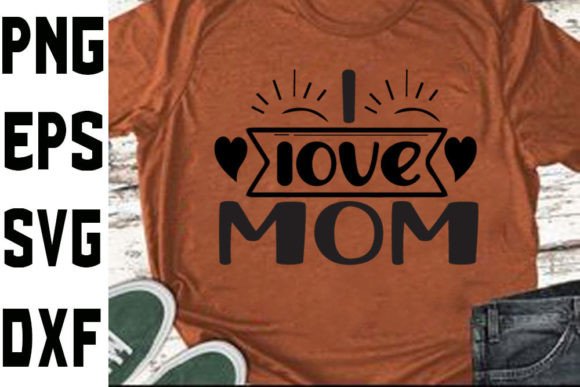
The layout is straightforward: “I Love Mom” centered in a classic, friendly script, framed by heart motifs. There’s no visual clutter. This is a design that announces its purpose instantly—it’s for a heartfelt gift. The personality is warm and approachable, not overly ornate. It doesn’t feel like a corporate graphic; it feels like something you’d stitch for a specific person. That’s a crucial starting point. For crafters and small business owners, a design that already carries emotional weight is half the battle won.
My mind goes straight to a soft, cotton tote bag or a cozy fleece baby blanket. This isn’t a design meant for a tiny logo on a cap; it’s a statement piece for a giftable product. The detail level seems balanced—the hearts are simple enough to stitch cleanly, and the lettering looks open and legible, which is paramount for embroidery. Poorly digitized script can become a blur of satin stitches, but this one appears designed for clarity.
Where This Design Finds Its Home
In practical terms, this Valentine s Day Svg Design I Love belongs on products meant to be kept and cherished. I’d confidently use it for:
- Custom apparel like a relaxed-fit sweatshirt or a child’s t-shirt.
- Home goods such as a pillow cover for a nursery or a decorative kitchen towel for a gift.
- Boutique merchandise like an embroidered patch that can be applied to a backpack or a simple apron.
- Personalized gifts, especially for Mother’s Day or Valentine’s Day, from an Etsy shop or at a craft fair.
The scale matters. On a tote bag, it becomes a central, proud feature. On a baby’s onesie, it’s a sweet accent. For an apparel decorator, this flexibility is key. It also translates well to digital product previews and printable mockups for sellers of the design itself, because the clean shapes make for clear graphics.
The Stitching Scenario: From File to Finished Product
Let’s walk through a real case. Imagine you’re preparing a custom embroidered tote bag as a Valentine’s gift for a client. You’ve selected a natural canvas fabric. You load the file. The first thing I’d do, always, is stitch it out on a scrap of the same canvas. This is where you see the truth.
You’re checking for how the stitch density behaves on that texture. Are the fill stitches in the hearts too dense, causing the fabric to pull? Does the running stitch outline of the letters look crisp? You’re assessing thread color contrast. A design like this, with its emotional message, relies on contrast. On light fabric, a deep red or pink would pop. On dark fabric, you’d need to plan for a bright, possibly lighter thread to maintain the same warm mood.
On a curved surface like a cap, the larger, centralized layout might present a challenge—you’d need to consider a smaller hoop size and perhaps a slight redesign to fit the curvature. This design’s natural home is on flatter, more stable surfaces where its sentiment can be displayed fully without distortion.
Caution Areas for the Practical Maker
While this design is wonderfully straightforward, a few scenarios demand extra attention:
- Very small hoop sizes: Trying to shrink it down too much for a tiny patch might compromise the clarity of “Mom” in the script.
- Stretchy or thin fabrics like certain knits: A good stabilizer is non-negotiable here to prevent puckering around the hearts.
- Products needing frequent washing: On something like a kitchen towel, you’d want to ensure the stitch structure is robust enough to withstand wear, possibly considering a tighter fill stitch.
The design doesn’t have overly tiny details or tight corners that would fray, which is a plus. But its appeal depends on clean execution, so fabric choice and preparation are paramount.
How This Embroidery File Adds Value Beyond the Stitches
For creative entrepreneurs, a design’s impact isn’t just visual; it’s commercial and emotional. A clean, well-stitched version of this Valentine s Day Svg Design I Love on a product elevates its perceived value. It looks handmade in the best sense—intentional and professional. It builds customer trust because the final item matches the simple, sweet promise of the graphic.
For brand consistency, if your shop specializes in heartfelt, family-oriented gifts, this design fits seamlessly. Its giftability is high—it’s instantly recognizable as a token of affection. That recognition drives buyer engagement. A customer browsing an Etsy listing for an embroidered pillow isn’t just buying decor; they’re buying a message. This design provides that message clearly.
Essential Notes Before You Hoop Your Fabric
My final thoughts as a reviewer are always practical reminders. For this embroidery project:
- Always test on scrap fabric first. Match the fabric and stabilizer you’ll use for the finished product.
- Check it in black and white. Stitch it out on both light and dark fabric scraps to understand how the design reads. Does “I Love Mom” stay legible?
- Inspect the small details. Look closely at the stitchout for any skipped stitches or awkward transitions in the heart shapes.
- Confirm the licensing. The product is listed under Crafts and Graphics. Before selling the embroidered tote bags or commercial embroidery projects, verify the license terms for the digital embroidery file. This is a crucial step for any craft business.
- Consider the thread palette. This design invites traditional Valentine colors, but a soft pastel or even a metallic thread could transform it for a wedding gift or boutique product.
The Valentine s Day Svg Design I Love is, in essence, a reliable, sentiment-driven tool. It’s not overly complex, which means its success rests largely on your skill as the maker—choosing the right project, the right materials, and stitching it with care. When you do, it becomes a genuinely lovely piece of handmade product that feels both personal and professional. That’s the balance every designer and small shop owner is looking for.