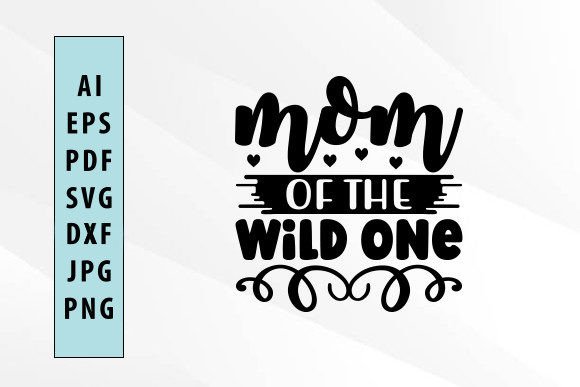
A Designer's Review of "Mom of the Wild One" SVG
As a designer who’s worked with countless embroidery designs for client projects and my own shop, I approach every new file with a practical eye: how will this actually look when stitched out, and what kind of product will it become? Today, I’m looking at the "Mom of the Wild One" SVG design, a typography-focused piece meant for Mother’s Day and beyond. Let’s walk through what makes it work and where you might need to think carefully before hitting "start" on your machine.
First Impressions: Mood & Marketability
The "Mom of the Wild One" design immediately strikes a playful, affectionate, and slightly rebellious tone. It’s not a formal, script-heavy piece; it feels modern and relatable. For a craft business targeting moms, grandparents, or anyone celebrating a spirited child, this design taps into a very real and popular sentiment. The layout is straightforward—the phrase is the hero—which means its visual personality is entirely dependent on how you execute it. In embroidery, that translates to your choice of thread colors, stitch types, and the product you put it on.
This isn’t a design laden with intricate pictorial details, so its natural home is on items where text is the main decorative element. Think custom apparel like sweatshirts and t-shirts, tote bags, or perhaps a simple, sweet addition to a baby blanket or pillow cover. Its strength is its message, so it would shine on gifts meant to personalize an everyday item with a heartfelt, humorous tag.
The Real-Life Embroidery Scenario: A Custom Tote Bag
Picture this: a client requests a personalized gift for a friend who’s a new mom. They want a sturdy, everyday tote bag with a meaningful embroidery design. You pull up the "Mom of the Wild One" file. The beauty of a typography-based SVG is its scalability; you can adjust the size to fit the bag’s panel perfectly without losing clarity. However, embroidery introduces variables a digital preview doesn’t show.
On a tote bag’s often textured canvas, the stitch density needs to be right. Too dense, and the design becomes stiff and heavy; too sparse, and the letters might look frail. The design’s success here hinges on your machine embroidery settings and stabilizer choice. A crisp satin stitch for the letters could look fantastic, offering a smooth, reflective surface that contrasts nicely with the rustic fabric. But you’d need to test the design’s corners and any potential small details in the lettering on scrap fabric first. How does that "W" in "Wild" stitch out? Is it clear and stable?
Where This Design Finds Its Best Home
Based on its clean, typographic nature, the "Mom of the Wild One" design is wonderfully versatile for a range of embroidery projects. It’s a strong candidate for apparel decoration—that sweatshirt or hoodie mentioned in the description is a perfect fit. It could become a charming, small embroidered patch for a baby’s romper or a cap. For home goods, consider it on a kitchen towel or a pillow cover for a nursery. Its appeal as a holiday gift, especially for Mother’s Day, is obvious, and it could easily become a staple in a small shop’s merchandise lineup or an Etsy seller’s best-selling listing.
The design also holds value for commercial embroidery projects where a quick, recognizable, and emotionally resonant message is needed. It could work for boutique branding on staff aprons or as a personalized product for a mom-focused business. Because you receive vector files, it’s also useful for creating printable mockups and digital product previews to sell the finished product idea before stitching.
Points of Caution for the Practical Designer
No design is universally perfect, and a thoughtful embroiderer always considers the limitations. For "Mom of the Wild One," the primary considerations revolve around scale, fabric, and clarity.
Small Hoop Sizes & Tiny Lettering: If you try to shrink this design down too much for a very small item, like a baby hat or a delicate patch, the lettering might lose its integrity. Thin, delicate strokes in the typography could fill with stitches and become bulky or blurry. Always test at your intended final size.
Textured & Stretchy Fabrics: On fabrics like thin knits or very textured materials, maintaining crisp letterforms is a challenge. A robust stabilizer strategy is non-optional here. Similarly, on dark fabric backgrounds, your thread color contrast is critical. A white or bright thread might pop, but you need to ensure the fill stitches are dense enough to prevent the dark background from showing through and muddying the message.
Curved Surfaces & Layered Garments: Applying this to a curved surface like a cap requires careful digitizing consideration (if you’re converting the SVG to an embroidery file) to avoid distortion. Also, on layered garments like hoodies, the loft of the fabric can affect how flat and neat the satin stitches lie.
Products for Frequent Washing: If this design is going on an item that will be washed often, like a tea towel or a child’s garment, the durability of the stitching is paramount. A design with very dense stitching might hold up better, but it could also be more prone to stiffness. Again, testing on your intended fabric is the key.
How the Design Impacts Your Business & Craft
From a commercial perspective, using a design like this effectively boosts visual appeal through its relatable message. Stitching clarity directly impacts perceived product value and customer trust. A clean, professional embroidered result on a sweatshirt looks handmade in the best sense—intentional and high-quality. It supports brand consistency if your shop specializes in modern, heartfelt gifts. Its giftability is high, and its recognition is instant for your target audience.
For buyer engagement, a well-executed embroidery of "Mom of the Wild One" on a product photo can tell a complete story. It shows the product’s application and emotional resonance without needing extra explanation. This helps in converting digital product assets into tangible sales.
Practical Notes From the Worktable
Before you commit this design to a client’s project or your own inventory, here’s my standard checklist for any typography-focused embroidery file:
- Test on Scrap First: Always stitch out the design on a scrap of your target fabric. This reveals true thread consumption, stitch density issues, and any hiccups in small details.
- Check Color Contrast: Review your thread choices against both light and dark fabric backgrounds. Sometimes a design needs a slightly different hue on dark fabrics to retain its visual weight.
- Confirm Hoop Size Compatibility: Ensure the design’s dimensions fit comfortably within your machine’s hoop capabilities at the size you want.
- Inspect Small Details: Look closely at the vector file. Are there any exceptionally thin lines or tight corners that might not translate well to a running stitch or satin border?
- Use Proper Stabilizer: Match your stabilizer to the fabric. This is the foundation for a clean stitch-out, especially for text.
- Consider Licensing: The description notes it’s for use on various products. However, for commercial use—selling the finished embroidered items—it is always your responsibility to confirm the licensing terms of the digital embroidery file or SVG before selling. Don’t assume.
Finally, while the product description mentions formats like AI vector and EPS files, as an embroidery specialist, remember that these are source graphics. You will likely need to digitize or convert this SVG into a proper machine embroidery file format for your specific machine. That process will determine the final stitch types, count, and density, which are not provided in the graphic file itself.
The "Mom of the Wild One" SVG design is a solid, market-ready concept. Its value isn’t in complex artistry but in clear, emotional communication. In the hands of a prepared designer who tests and adapts it for the specific embroidery project—whether it’s a holiday gift pillow cover or a line of boutique baby apparel—it can stitch out into a product that feels personal, professional, and perfectly suited for the "wild one" in someone’s life.