A Designer’s Real-World Review of Mom of the Birthday Boy SVG
When a new embroidery file lands in your inbox, the first question isn't just about the download folder. It's about the project. What will this design actually look like when the needle hits the fabric? How will it feel in your hands, and how will it resonate with a client or customer? That’s the lens I use to evaluate files like "Mom of the Birthday Boy Svg Design." Let’s walk through its potential from a professional embroidery perspective.
The Immediate Mood and Visual Appeal
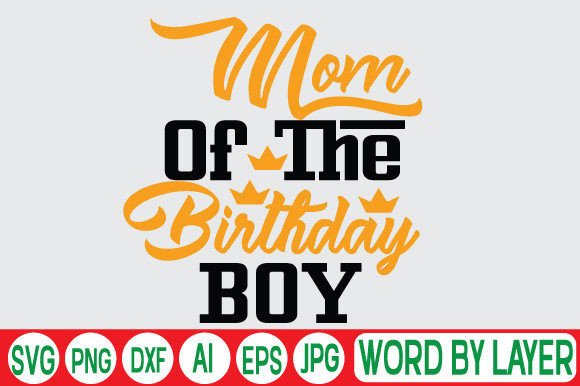
This design carries a specific, warm sentiment. It’s celebratory and personal, instantly creating a connection to a special moment. The layout, likely centered around that key phrase, suggests a straightforward, heartfelt visual personality. It feels destined for products meant to commemorate, to celebrate a role. That’s a powerful starting point for any embroidery project aiming to evoke emotion. For crafters and small business owners, that emotional hook is invaluable—it’s what turns a simple sweatshirt into a cherished keepsake.
Where This Design Naturally Belongs
Imagine a custom order for a birthday party. The request: a personalized gift for the mother hosting the celebration. My mind goes straight to a clean, cotton tote bag she can use for the day, or a soft, high-quality sweatshirt. The "Mom of the Birthday Boy Svg Design" would be perfect here. Its theme is tailor-made for such an application. Beyond that, think of a simple embroidered patch on a baby blanket for a sibling gift, a decorative accent on a kitchen towel for a family member, or the centerpiece on a pillow cover for a nursery. This design isn’t for generic apparel; it’s for targeted, personalized products where the message is the entire point.
Making It Work: From Digital File to Stitched Product
Moving from the SVG file to a finished product requires practical thinking. On a tote bag or sweatshirt, the design should stitch out with clarity. The lettering needs to be clear and legible after stitching, without overly dense fill areas that could pucker stiff fabrics. On softer items like baby clothes or blankets, you’d want to check the stitch density to ensure it remains gentle and doesn’t create a stiff, uncomfortable patch. For a cap or curved surface, the design’s overall shape and detail level must be suitable—too many small, intricate corners can be challenging on a curved hoop.
Scenarios for Caution and Careful Testing
Every embroidery design has its ideal applications and its trickier ones. For this design, pay close attention to very small hoop sizes. If you’re thinking of miniaturizing it for a tiny patch or a delicate corner of a tea towel, test first. The lettering, especially, must maintain its integrity. Similarly, on textured fabrics like a waffle-knit blanket or on dark fabric backgrounds, thread color contrast becomes critical. That celebratory message needs to pop, not blend into the background.
Stretchy fabrics also demand consideration. A standard stabilizer is essential to prevent distortion, particularly if the design has any large fill stitch areas. And for products destined for frequent washing—like an apron or a child’s item—the stitch construction needs to be robust. This is why reviewing the file details and doing a test run on scrap fabric of your target material is a non-negotiable step for any professional or serious hobbyist.
How This Design Impacts Your Business and Craft
Using a well-executed, sentiment-driven design like this elevates your work. It boosts the perceived value of a handmade product because it feels specific and thoughtful. For an Etsy seller or boutique owner, it builds customer trust—they see a product that speaks directly to a need or occasion. It enhances giftability immensely. A client isn’t just buying an embroidered pillow; they’re buying "Mom of the Birthday Boy" embroidered pillow. That’s a different level of engagement.
For brand consistency, if your shop focuses on personalized family or celebration items, this design fits neatly into that catalog. It presents professionally because its purpose is clear. However, always confirm the provided licensing terms before incorporating it into commercial projects or selling finished items. The product description notes it includes an SVG file and an AI source file, which is great for flexibility, but the specifics of commercial use should be verified by the designer.
Practical Notes for the Embroidery Designer
Before you commit this design to a final project, here’s my on-the-hoop checklist. First, run a test on the exact fabric and stabilizer combo you plan to use. Check the thread color contrast against both light and dark backgrounds—sometimes a simple black and white mockup can reveal clarity issues. Inspect the small details in the stitch out; ensure any decorative accents are clean and not overly tangled.
Consider the hoop size needed. While the exact dimensions aren’t specified in the provided description, you’ll need to determine the appropriate size for your intended product—a large tote might allow a bigger hoop, while a baby bib requires a smaller one. Assess the overall stitch density. Is it suitable for thin fabrics without excessive puckering? Finally, think about its dual use: could this design work for both a one-off personal gift and a scalable product for your craft business? Often, designs with clear emotional themes like this do.
Embroidery files like "Mom of the Birthday Boy Svg Design" are more than graphics; they are potential projects. They live in the Crafts and Graphics category, but their real home is on the fabric of a meaningful product. With practical testing and an understanding of its sentimental strengths, this design can become a reliable asset for creating embroidery that feels special, looks professional, and hits the mark for customers looking for that perfect, personalized touch.