Mom You Are Tea-riffic: A Designer's Real-World Review
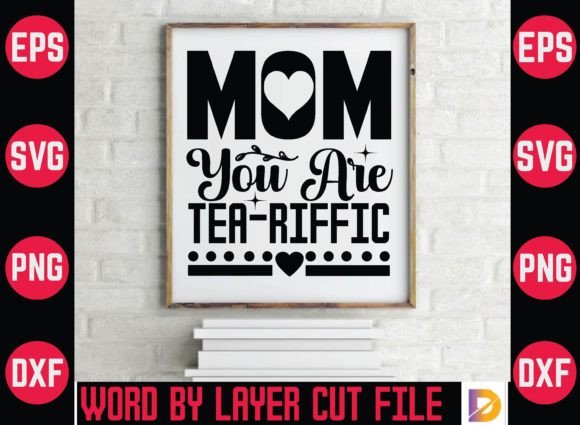
Let’s talk about this design from a practical embroidery perspective. I’m looking at it not as a file in a folder, but as a potential piece of thread on a fabric that someone will buy, wear, or give as a gift. The title, Mom You Are Tea-riffic, gives you the immediate vibe: it’s warm, punny, and centered around a cherished relationship. That’s the core emotional hook.
The First Impression: Cozy, Playful, and Surprisingly Versatile
My first thought is about mood. This design creates a feeling of cozy appreciation. The theme combines motherhood with the universal comfort of a cup of tea. It feels personal without being overly sentimental, and playful without being childish. The layout, with its integrated text and graphic, suggests a balanced, contained composition. This isn’t a sprawling, detailed illustration; it’s a concise statement. That’s actually a strength for many real-world embroidery projects. It has a visual personality that’s both sweet and sturdy, which tells me it belongs on items meant for everyday use and genuine affection.
A Natural Fit for Personalized Gifts and Shop Merchandise
Picture a specific scenario: a client asks for a custom embroidered tote bag for her mother, or you’re preparing a batch of embroidered patches for a Mother’s Day pop-up shop. This design slots right in. It’s the kind of motif that makes people smile and nod. On a canvas tote or a linen apron, it would feel classic. Stitched onto a soft cotton baby blanket or a set of kitchen towels as a gift from a child, it becomes a heartfelt keepsake. For a craft business or Etsy seller, it could easily become a staple in your lineup for “mom” themed personalized gifts – from sweatshirts to pillow covers. Its appeal across “men, women, kids, baby” as noted is broad, but I see it shining particularly on items associated with care, home, and warmth.
Considering the Stitch: Where This Design Performs and Where It Needs Care
Moving from concept to hoop, how would Mom You Are Tea-riffic perform? On stable, medium-weight fabrics like cotton twill, denim, or standard quilt cotton, it should stitch out cleanly. Think about tote bags, aprons, or the front panel of a pillow cover. The contained design area likely means a manageable stitch count, which is good for production time and fabric integrity.
However, here’s where a designer’s careful judgment comes in. We must consider the small details. Any tiny lettering or intricate curves within the teacup graphic need attention. On small hoop sizes or on textured fabrics like some sweater knits, those fine elements might lose clarity. Always test on scrap fabric first. This is non-negotiable. Check the thread color contrast against your intended background. A light thread on a dark sweatshirt? You’ll need to review the stitch density to ensure it pops without puckering. For curved surfaces like caps, the design’s overall shape might need adjustment for optimal placement.
Special Considerations for Fabric and Final Use
- Stretchy fabric: On t-shirts or baby garments, use a robust stabilizer and consider a lighter fill stitch preset if possible to maintain softness.
- Dark fabric: A potential high stitch density area could show through on thin, dark materials; a test run reveals this.
- Products needing frequent washing: Items like kitchen towels or baby clothes require a secure, dense stitch but not so dense it stiffens the fabric. Balance is key.
The goal is a finished product that feels professional and durable, building customer trust and brand consistency for your small shop product.
The Impact on Your Project's Appeal and Value
When this design is stitched well on a suitable product, it enhances value significantly. Its charm directly boosts visual appeal and giftability. A customer seeing this on a mockup or a finished product immediately understands its purpose. That clarity translates to better buyer engagement for your Etsy listings or craft fair products. For commercial embroidery projects, like a boutique’s branded merchandise, it offers a recognizable, family-friendly motif.
The handmade presentation benefits from a clean, legible design. Sloppy stitching on a complex design hurts perception; a clear, well-executed design like this supports professionalism. It tells your client or customer that you understood the assignment and delivered a thoughtful piece.
Essential Designer Notes Before You Hoop It Up
Before committing this to a client’s order or your own inventory, do this:
- Run a test on the exact fabric type (and color) you plan to use.
- Check the stitch density in your software preview; adjust if needed for your fabric.
- Confirm the physical hoop size required fits your product area.
- Inspect the small details – are any lines too fine for your chosen thread weight?
- Test it in black and white mockups to gauge its form without color.
- Compare how it reads on both light and dark fabric backgrounds.
- Use the proper stabilizer for your project; don’t skip this step.
- Crucially, confirm the licensing terms for Mom You Are Tea-riffic. As an instant download cutting file, it’s compatible with many machines, but the license for selling finished items or digital products like printable mockups may vary. Always verify this before any commercial use.
Final Thoughts: A Design with Heart and Practical Potential
In my evaluation, Mom You Are Tea-riffic is more than a graphics file; it’s a ready-made emotional connection for your embroidery project. It belongs in the crafts world of tangible, meaningful items. Its strength lies in its straightforward, warm message and contained composition. It will shine on gifts and merchandise that celebrate motherhood and comfort. Approach it with the practical care of any machine embroidery design: test thoroughly, choose your applications wisely, and respect the licensing. When done right, it will stitch into a product that feels just as tea-riffic as it intends.