A Practical Review: Stitching 'The Best Kind of Mom Raises a Steel Worker'
First Impression: Strength with a Smile
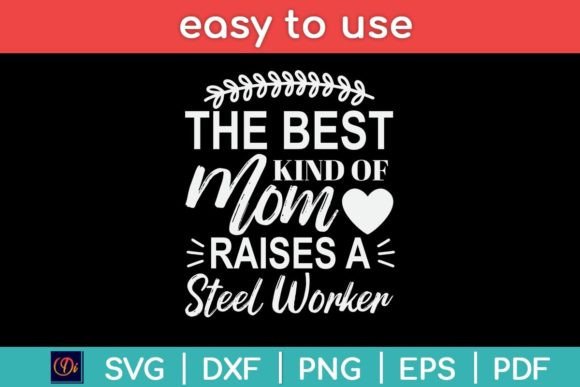
Opening the design 'The Best Kind of Mom Raises a Steel Worker', I’m immediately struck by a certain mood. It’s not just a cute phrase; it feels like a confident, warm nod of respect. The text-driven nature of this graphics file suggests a straightforward layout, which is a fantastic starting point for embroidery. There’s a clear visual personality here—one of pride, resilience, and family. This isn’t a fussy, overly detailed illustration. It’s a statement. For embroidery designers, that means the core challenge is translating this strong message into equally strong stitches.
In my mind, I’m already picturing it on a sturdy cotton canvas tote bag or the chest of a heavyweight sweatshirt. The theme naturally belongs to projects that carry a bit of weight, both physically and emotionally. It feels perfect for a personalized gift for a mother, a hard-working dad, or even as a subtle brand piece for a small, family-run workshop or trades-focused business.
Where This Design Performs Brilliantly
Let’s talk about real-life embroidery situations. Because this is a text-based design, its performance is heavily tied to clarity. On custom apparel like t-shirts and sweatshirts, especially in a medium to large hoop size, this design will shine. The lettering, assuming clean vector paths, should translate into crisp satin stitches or a solid fill stitch, making the message pop.
I envision it exceptionally well on practical items. An embroidered patch featuring this slogan could be fantastic, appliqued onto a work jacket or a denim bag. For small business merchandise, think of pillow covers in a rustic home decor shop or tea towels in a boutique catering to a craft-loving, hands-on clientele. As a personalized gift, it’s ideal for holiday gifts like Father’s Day or a wedding gift for a couple in the trades.
For crafters selling on Etsy or at craft fairs, this design offers clear product value. It’s specific enough to feel unique but broad enough in its appeal to attract buyers looking for something with genuine sentiment, not just a generic pattern. Stitched well, it boosts customer trust and professionalism because the finished product looks intentional and high-quality.
Considering the Buyer’s Perspective
When a customer sees this embroidered on a product, what’s the reaction? I believe it’s recognition and connection. It’s a compliment wrapped in a statement. That visual appeal directly impacts buyer engagement. On a tote bag, it becomes a conversation starter. On a child’s item, like a subtly embroidered symbol on a baby blanket for a steelworker’s new grandchild, it carries deep family meaning. This giftability factor is a significant plus for makers focusing on handmade products.
Caution Zones: Where to Plan Carefully
As with any embroidery file, this design has areas that demand a thoughtful approach. The primary consideration will be small details within the text. If there are any intricate serifs in the font or particularly thin connecting lines, they might become problematic on certain fabrics and in smaller hoop sizes.
Small hoop sizes on items like caps or the curved surface of a hat could challenge the stitching clarity, especially for dense lettering. On textured fabrics like certain knit sweaters or on dark fabric where thread color contrast is critical, a thorough test is non-negotiable. Thin or stretchy fabric, without the proper stabilizer, could distort the message.
Also, consider the end use. If the product, like an embroidered apron or a kitchen towel, will need frequent washing, you’ll want to ensure the stitch density is robust enough to withstand wear without fraying. The design’s strength is its message, but that message must remain legible after many uses.
A Designer’s Practical Notes Before Hooping Up
Before committing this to a client project or a batch of small shop product, here’s my mental checklist. These are the steps that separate a good result from a great one.
- Test on scrap fabric first. Use the exact fabric type you plan for the final product. This reveals how the fabric texture interacts with the stitches.
- Check thread color contrast. Run a test on both light and dark background scraps. Does the chosen thread make the statement bold and readable?
- Review the stitch density in your machine embroidery software. Are there any areas that might be too dense for lightweight fabrics or too sparse, risking visibility gaps?
- Confirm your hoop size is appropriate. For text-based designs, giving the letters enough space to be clean is key. Don’t cram it.
- Inspect small details. Zoom in on the file. Are there any tiny corners or minuscule spaces that might not translate well into thread?
- Create simple black and white mockups. Sometimes, seeing it stripped of color helps judge the shape and layout purely.
- Use proper stabilizer. Never underestimate this. It’s the foundation for your stitching clarity.
- Most critically, check the licensing terms provided with the 'The Best Kind of Mom Raises a Steel Worker' graphics file. Confirm whether it’s cleared for both personal and commercial embroidery projects or if there are restrictions on selling the finished product. This is essential for Etsy sellers and digital product sellers.
The Final Stitch: A Design Built for Real Use
Overall, 'The Best Kind of Mom Raises a Steel Worker' strikes me as a highly usable embroidery design. Its power lies in its straightforward, meaningful content. For craft business owners and creative entrepreneurs, it’s a design asset that can be adapted across a range of products—from a heartfelt holiday embroidery gift to a standard item in your boutique branding.
The real value, as always in machine embroidery design, will be determined by your preparation. By treating it with the practical respect any good embroidery project deserves—testing, planning for fabric, and ensuring legal use—this design can translate from a digital file into a physical product that carries real weight and warmth. It’s a reminder that in our craft, the best designs are often those that speak clearly, stitch cleanly, and connect deeply.